

Looking back over 32 years of life lessons
In some ways I feel radically unqualified to give anyone else advice, on anything at all. The older I get the more I appreciate that all of our lives are totally shaped by our experiences, environment, and what feels like the best option at the time. I’m no different – I sometimes switch back and forth between what feel like totally different approaches to my life. Some weeks I’ll be super work-obsessed, ‘smashing goals and showing up’, other weeks I will be motivated solely by wanting to be outside, escape from normal life, or just switch off from everyone and everything.
But I also think there’s some value in sharing the multiplicity of our experiences. I’ve not ‘made it’, I’ve not, in many ways, got a particularly enviable life. I have a normal day job, live in a normal house, achieve very achievable goals. In other ways, I am very happy with the life I have created for myself – and it has involved a degree of both active and passive action. Some things have just happened to me (good and bad), I’ve been in the right place at the right time, and some things I’ve sought out. Perhaps there is some value in chatting with you, the reader, about what I’ve taken from these experiences, and how I’m trying to keep a stable, content, and balanced life going, whatever else gets thrown at me.
So please read on for some musings on what I’ve picked up in the first three decades or so of my life, as I celebrate my 32nd birthday. These are definitely things I’m still working on and lessons I try to bear in mind myself. Life is the ultimate work in progress, and we’re never done learning. This is a post I’ll be coming back to when I feel adrift, or need to remind myself what I think matters. I hope you enjoy reading the reflections, and get something from them as well. I’d be really interested to hear what lessons you’d share with others, or yourself in moments when you need a little boost. Please do share them in a comment if you’re comfortable to.
1) Sometimes just showing up is enough
I’m prone to being a bit of a perfectionist. I’ll sometimes procrastinate because I don’t think I can do a perfect job on something, or I’ll put off going for a run because I know I’ll be slower than usual. But sometimes, in exercise as in life, it’s ok to just show up. Not everyday has to be your best day ever, not every workout has to be a PB, and sometimes it’s all right to simply get the work done. There’s been a bit of a ‘discourse’ developing around the idea of putting in the minimum effort for your day job – acknowledging that it’s just something you do to pay the bills, and doesn’t have to be the basis for your entire sense of self-worth. I can certainly get behind aspects of this, and think it’s important to recognise that work isn’t your whole identity. I do think I’d find this a little unfulfilling in the long-run, but that doesn’t mean it has no place in your grand scheme. On days when I’m just not feeling up to it, this is a great idea to bear in mind. I showed up, I did the work, and now I’m leaving. That’s sometimes the best choice you can make.
2) You just won’t click with everyone…
There will be some people in life who, no matter how hard you try, you just won’t become best friends with. Whether it’s radically different personalities, varying tastes or interests, or clashing values, some things just don’t lend themselves to a natural match. Don’t beat yourself up or feel inadequate if you find one of these people. As soon as you define yourself, there will naturally be some people who define themselves in an opposing way. Sometimes opposites attract, but if that isn’t happening for you, that’s ok.
3)…But it’s up to you to make that ok
When I say it’s ok to not click with people, I don’t mean it’s ok to get on badly with them. It’s your responsibility to ensure that relations stay amiable, even if you feel like you’re never going to be best buddies. I don’t mean copping out and putting up with people who have harmful views or problematic behaviours – these should certainly be addressed. But if your problem with someone essentially comes down to a personality clash, or different tastes, it’s up to you how you deal with this. You could lean into negative feelings, or you could work towards positivity, likely finding yourself somewhere around neutrality. I’ve come to realise that a lot of negative feeling can be side-stepped by just choosing to spend my energy on something else. Each of us has a limited amount of energy and a limited number of hours on earth (no pressure!), so what we choose to spend that time doing is up to us – and makes a huge difference! Would you rather spend it complaining about someone, using your energy for something negative, or is it better to simply observe that person from a neutral stance, and move on with your life? This lesson isn’t always an easy one to enact, but I’m trying to be more aware of who and what is taking up my brain space, and funnel my energy into things and people that actively make me feel good.
4) You only have limited emotional energy, so choose what you spend it on wisely.
Related to the above, I increasingly feel that I only have so many things or so much I can care about at any one time. Emotional labour is a concept growing in popularity, and while I think it has its limits (sometimes giving people your emotional labour is the right thing to do), it does have its uses when you’re looking at what you spend your time on. For me, this meant taking a step back and looking at what I was actually spending a lot of time, thought or energy on, and deciding ‘is that really what I want to be thinking about right now?’ Sometimes anger, frustration, or irritation can be useful, productive emotions, that spur us to taking action and making change. And sometimes we just need a rant and to let off some steam! But if you’re spending more time on the complaining than the action, things need to change. This also means recognising the limits of our agency in a situation. For instance, if something is bugging me at work, is there really anything I can do about that at the weekend? Am I going to take time out of my personal life to go and fix it, or have I realistically done everything I can? If the answer to either of those is no, I try to park those feelings and replace them with something I actually care about. I suppose in some cases this just comes down to distraction, be that playing a video game, reading a book, or spending time with my partner, but basically it’s about choosing to give my energy to things I actually enjoy, and depriving things that make me feel bad of my time and thought. Though this isn’t fool-proof, it has made a big difference to how I feel about my work-life balance, and general emotional stability.
5) Take more photos and videos of the people in your life
For a long time I took thousands and thousands of photos, not just on trips but basically everywhere and anywhere I went.. These photos hardly ever featured people. I enjoyed taking them (and they’re sometimes easier to take than photos of people!), and I enjoyed looking back at them. But years of separation due to COVID and bereavement have really taught me to the value of photographs of people. It’s nice seeing the places you’ve been, but it’s mostly the people you were with that made those times enjoyable, and looking back through my archives I’ve been saddened by how few photos I have of the people I was with. This has been pretty convenient when it comes to ex-partners (not much weeding out to do!), but for everyone else, it’s felt like a bit of a loss. So going forward, I’m making a concerted effort to take more photos of people, even if they initially complain (!), and there are also other things I want to photograph. I also really want to try to take more videos. It’s strange, when we were growing up we had camcorders and took loads of home video, but now we have an incredibly convenient way to take video footage in our phones, I somehow don’t bother as much. But it’s the little snapshots videos have given me that were the most enjoyable to review. So again, whatever people say, I’m going to make an effort to take more videos!
6) Don’t hang on to possessions, even for sentimental value
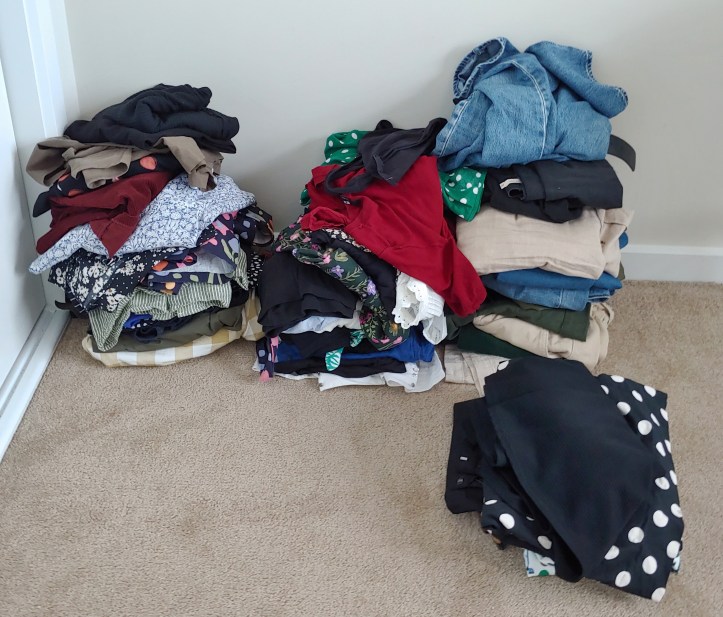
Perhaps this one seems slightly counter to the previous, but when it comes to physical things, I have become a lot more discerning over time. This was kicked off by moving from the UK to Australia, and having to pack my life into shipping boxes. This prompted me to seriously consider what I needed and what I could leave behind. But if anything, it’s the time since then that has really brought this home for me. So many things I thought I’d really need, or I chose to leave behind and I thought I’d miss, I have not noticed at all. Even when it comes to sentimental items, I almost feel that photographs of things are as good as the real things. I’ve certainly not gone full minimalist, but I’m a lot ‘harsher’ in what I choose to keep these days. Even before moving abroad, I moved house so many times (I think my record was something like six times in one year – the perils of the rental market!), and I would often find I didn’t look at things from one house move to the next. So now I try to be a lot more critical about why I want to keep something. I guess this is the Marie Kondo approach (although I must admit to not having read the book!), where I evaluate whether something is genuinely useful, or will actually make me happy in any way. If it’s neither of these, more often than not I’ll say goodbye to it. An interesting test was when I went home to the UK over Christmas and got to assess all the boxes of things I’d left behind – needless to say, I couldn’t understand why I’d chosen to keep most of it!
7) Buy fewer books

Probably top of my list of things I don’t buy any more is books, and I’ll admit this is one thing I struggled to strip out when I checked back over my UK possessions. I used to spend a lot of time and money collecting books (shout out to the Oxfam Bookshops on St Giles and Turl Street in Oxford!), which I would then never read. Due to their weight and size I hardly took any of these books with me to Australia, instead lumbering kind friends and relations with them. Once we got here, we weren’t sure how long we’d be staying, so I was reluctant to buy lots of books I might not want to take back with me. Thus began my love affair with digital books. It’s not that I’d never read digital books before, but it hadn’t really occurred to me that they could be my main way of interacting with literature. I’ve also discovered my local library on a digital app, and therefore have been able to borrow a large percentage of my reading over the last couple of years (see my most recent reading round-up post for more on this, found here). This has been so strangely freeing – the books are literally free thanks to the (also free) library membership, and I’ve found so many new favourites through this I wouldn’t have necessarily thought to pick up a printed version of. When I was a child I used to love browsing the shelves of the local library, and the app has enabled me to rediscover this joy. I think there’s a lot to be said for the kind of ‘cult’ of book ownership, and what we think our books collections say about us. I’ve certainly judged people in the past for having as few books in their house as I currently have in mine. This was a mistake though – and it’s only a shame that personal experience was what finally opened my eyes to this.
All in all, I’ve saved money, time and perhaps most importantly space, by choosing these new ways of reading, and have also greatly improved the range of my reading material. It’s been a really wonderful discovery, and I’m pleased to have finally broken my book-buying habit.
8) Write when you feel like it
I spoke about this in my 30 Before 30 Conclusion Post (found here). As I’ve got older I’ve recognised that I’m not currently making a living out of this type of writing, nor do I have a huge following of people waiting with baited breath for my next post. This is basically something I do because I enjoy doing it. Therefore I should only do it when I am actually enjoying it. For a long time I put pressure on myself to post frequently to grow my audience and presence, and to legitimise my attempts at getting actual employment as a writer. At my greater age, I’ve realised that I actually get a lot of fulfilment from my day job, and all the different aspects of it, so the sense of urgency has gone out of my writing. This has honestly been a great development – instead of writing because I feel I should, I write when I feel I have something to share that might be interesting or helpful to others, be that simple things like a review or longer things like this piece. Freeing myself from obligation in my writing has been lovely, and made a real difference to how I feel about writing in general. It’s become a pleasant hobby, not a chore. Long may this feeling last!
9) “Success” looks different at different times of your life
The concept of “success” is a much more moveable feast than I used to think it was. When I was younger, my main idea of success was to get a PhD and become an academic. I worked so hard towards this for years, and in the end, for a number of reasons, it just didn’t work out. I’ve been very lucky to fall into jobs I’ve found fulfilling with some truly lovely colleagues, with a lot of advantages that would have been absent from my original career path. In each of my new jobs I’ve always been pretty ambitious – I want to be really good at what I do, and for other people to acknowledge that. Basically, I’m a bit of a glory seeker! I can’t help it, it’s just the way I am! With all the good and bad that comes from that. However as I’ve aged up and progressed, I’ve come to realise that this isn’t the be all and end of all “success”. My ideal of success can’t be limited to the relatively arbitrary external validation of a career. Success looks like healthy and happy relationships, with my partner, friends and (perhaps hardest of all!) family. It looks like taking the time to do things I enjoy for their own sake, and living in a way which feels wholesome and contented to me – regardless of what success looks like for others. Trying to embrace this more holistic view of success is helping me overcome some of my ambition-based anxiety (and this covers my writing too), and feel more comfortable in my own skin. Ultimately, you don’t have to choose one version of success and stick to it. What that looks and feels like will probably change at different times in your life and depending on circumstances and situations beyond your control. Don’t beat yourself up about this, embrace it as the positive that it is, and go with the flow. Life changes, we change, and that can only be a good thing.
10) Embrace a ‘good for you’, anti-competitive attitude
As noted above, I definitely have a strong competitive/ambitious streak to me. Which I think brings out a lot of the worst aspects of my personality. It can be very easy to be drawn into a sense of competition with others. I’ve been in many competitive environments where people get a lot of their validation from comparing themselves with those around them. How many books have you read, what did you get for that essay, etc, etc. When looked at in the short term, competition can be a positive, spurring you to try harder and push beyond your comfort zone to achieve better outcomes. In the long-term, I think it is a largely destructive force, distracting you from what you’re truly interested in and how you really want to be in by sucking you into other people’s views of the world and frameworks. So now, when people try to lure me into competition (deliberately or otherwise), I try to take a ‘good for you, I’m happy for you’ approach. I try not to rise to the bait and bring my own comparisons, verbally or internally. This can sound like ‘That’s really cool, I’m happy this makes you happy’, or ‘Don’t beat yourself up’. I find if I can make it more about how things make people feel than about what they’re actually telling me (following the earlier example, ‘I’m really happy that you got a good grade, I’m happy with my grade too’, or ‘I’m sorry your grade didn’t make you happy, that sucks’), it humanises the whole thing and stops you getting pulled into direct comparisons. This feels healthier to me, and focuses on the thing I actually want, which is to feel good and for those around me to feel good.
11) Don’t save up chores
Sometimes it can be satisfying to save up all your chores for the weekend and just have a really thorough clean. But, if we’re honest, there are probably much more fun things you could be spending your precious free time on, even if cleaning is your thing. Continuing with the theme of spending my energy on things I actively enjoy, I’ve learned that when the weekend rolls around, I don’t want to spend half of it (or even a quarter, an eighth, etc) cleaning up the mess I made during the week. I’ve also realised that most chores only take five to fifteen minutes – basically not very long! It’s pretty easy for me to find five minutes to clean the sink during even my more hectic weeks. But if I saved up all those five minute jobs for the weekend, suddenly that’s quite a lot of time. So I try to make a habit of cleaning/completing chores when I see they need doing, and not thinking ‘I’ll leave that for later’. Getting it over and done with straight away also has the obvious advantage of meaning that your living space is improved immediately, and you spend less time in a less than ideal environment. There are of course weeks when things get on top of me – I’m ill or in the office more than usual – but for the most part I try to keep my weekends clear of chores and ready to be spent on more enjoyable pass-times, even if that’s just curling up on my sofa (in my nice, vacuumed living room) reading.
12) Choose comfortable clothes

I was originally going to word this as ‘choose clothes that make you feel good’, but I actually think that’s too broad. Over the years I’ve had a lot of clothes that make me feel good, but that ultimately were pretty uncomfortable. I’m a strong believer in the mood that clothes can create for you, so don’t want to underplay the importance of how clothes make you feel. But ultimately I’ve realised that in creating a wardrobe that really works for me, that I enjoy wearing, and that I feel content with, I need to choose clothes that are physically comfortable as well. If you’re stuck with clothes that feel a bit uncomfortable, pinch, don’t quite sit right, are loose in the wrong places, etc, you won’t feel satisfied with them, and you’ll be pushed to look for more clothes, and end up purchasing more than you need to. ‘Comfortable’ has often been used as a bit of a backhanded compliment when it comes to clothes – suggesting baggy, soft, shapeless, etc. But it doesn’t have to connote a particular style, fabric or fit. Comfort ultimately comes down to whether things really fit you properly, whatever style they may be. Some of my most fitted items are also the most comfortable, because they actually fit me well. It can take a fair bit of digging to find things that really work, so you may find your wardrobe is naturally smaller if you start bringing this lens to your purchases. But a smaller wardrobe that you actively enjoy wearing is a worthy reward.
13) Like what you like
I have spent a lot of my life worrying that I like the wrong things. From music to films, books and even people, I’ve worried about what my tastes say about me to the outside world. I think this is something we all get stuck in sometimes, particularly when we’re teenagers and forging a sense of identity feels so urgent. As I’ve got older, I’ve come to appreciate that there are just some things I like, and I don’t really care what the group consensus is on them. We’re in a phase where people are increasingly re-evaluating what has been dismissed and why – most often the tastes of women and girls – so I’m hardly alone in this. So nowadays I try not to second-guess myself if I find myself listening to the Beauty and the Beast soundtrack for the millionth time, or singing along to a Harry Styles song. I’m really noticing a theme in these lessons of just making time for what makes me happy – and this is a strong part of that. We should all be free to enjoy the harmless little things that entertain us (without of course completely switching off our critical faculties to whether they actually are harmless!).
14) I’d rather be owed than owe
Although this is probably decent advice overall, I’m talking specifically about owing people for things like coffee in this instance! Whether it’s tickets, a round of drinks, dinner or just a coffee, I much prefer someone else to owe me than me to owe them. I think you can get kind of political/sociological on this topic if you want to. There’s definitely a power-dynamic when it comes to ‘gift-giving’, which this broadly falls into the category of. When it comes down to it, I’d rather be in the position of power, which is to be owed for something, rather than be in the position where I owe someone something. But being less serious about it, I basically know that I’m a bit forgetful, and would much rather someone else has to keep track of things than I keep track of them myself!
15) Don’t be stingy with your friends
This is closely linked to the above. One of my favourite things about being a grown person earning my own money is that I can treat my friends to coffee, dinner, whatever it may be, without having to worry about breaking the bank. Not only is it just nice to be able to do sometimes as a way to show affection, it also shows how much you trust the person you’re dealing with. No one wants to be in a position where their generosity is being taken advantage of, and by being up for paying for things for your friends you’re showing that when it comes to them, this just isn’t a concern. Nothing is more off-putting than a friend chasing you for a small cost, or keeping precise note of who paid for the last coffee. I understand that some people can’t afford to ‘treat’ people, and that’s totally fine, but I think these situations should be navigated with a bit of openness. If you know your friend isn’t in a position to contribute, you should make it clear that you don’t expect them to ‘return the favour’, or that you just want it to be your treat because it makes you feel good. Likewise if you’re paying but are concerned about being repaid, you should make this clear at the start. As with so many things, if everyone knows where they stand from the start, you can avoid a lot of issues. My lesson would be to embrace being able to do nice things for people when and where you can!
16) There’s never a ‘right’ time to donate to charity – but it’s always the right time to donate
This one is incredibly close to home for me because not only do I donate to charities but my day job is actually as a charity fundraiser. I think donating to charity is one of the most meaningful things you can choose to do with your income. We all work hard, often in challenging environments, for our earnings, so it can be hard to part with. It’s easy to find reasons why you should donate ‘later’. First it’s because you’re a student, then you’re in a low-earning job, you’re saving for a home, you have kids, you need to send them to uni, you need to save for retirement, etc. See what I mean? There’s always a reason you can point to for why you can’t afford to donate ‘right now’. There are also totally valid reasons for thinking many of the things that charitable organisations currently do should be funded by governments – but it doesn’t have to be an either/or. Donating, even on a small scale, collectively makes a huge difference to people and communities across the world – from your own city to the other side of the globe. Research has shown that donating is also a great way to give yourself a natural boost. So instead of thinking in terms of whether you can and cannot donate, think about when and for whom you want to start making a difference.
17) You won’t change everyone’s minds
Some people are not going to be persuadable, and that’s ok! A running theme of these lessons is that it’s important to consider what you’re putting your energy into. We only have so many hours and so much energy, so it’s worthwhile thinking about what you’re getting out of trying to convince people or persuade them. Whether it’s small things like whether you should brush your teeth before or after eating (a slightly random choice of example on my part!) or bigger things like political views, some people just aren’t going to change their minds, no matter how reasonable or seemingly logical you are in your arguments. People’s choices are determined as much by their emotions and experiences, and where they are in life, as by anything you can present to them. You might find if you leave them a little bit longer their views will change (for better or worse), but ultimately change has to come from them, and you’re not going to be able to talk them round. Where you don’t have a choice about having these people in your life (if it’s bigger issues you’re not agreeing on), try to accept them as they are in the moment, in the knowledge that there are things you’re not happy about, but some things that you do appreciate. If it’s smaller things, acknowledge that they don’t really matter, and just let it slide!
18) Don’t be put off trying things by the risk that you’ll look stupid
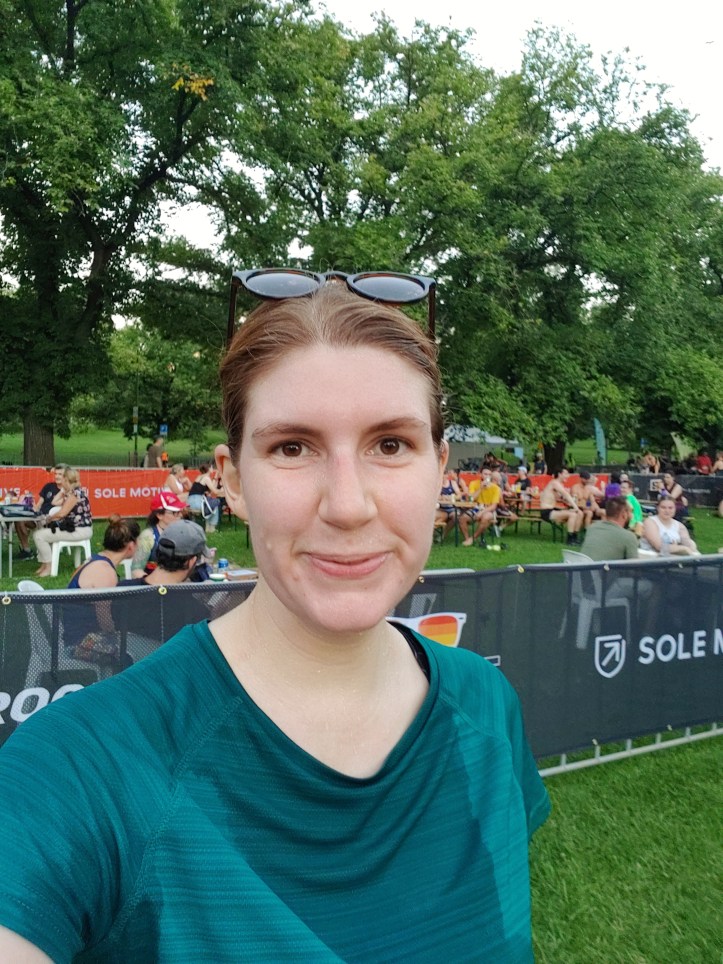
In all of the challenges, new hobbies and new situations I’ve thrown myself into over the years, I’ve come to accept that the best attitude is ‘oh well, it doesn’t matter if I look silly!’. When you start out at something new you’re unlikely to pick it up instantly, and there will be times when you feel ‘wow, I look/sound totally ridiculous’. But it’s when you just laugh it off and go with the flow that you’ll start to enjoy yourself! The worst thing you could do is let fear of embarrassment put you off trying something that could bring you real pleasure or fulfilment. How many times I have thought to myself ‘I am the colour of a beetroot from a half hour run and I hope no ones sees me!’, and yet I obviously have kept running! Push through the discomfort or hesitation and you’ll find much better things on the other side.
19) Own up to the things that make you uncomfortable
As much for yourself as for those around you, I think it’s important to recognise when something is making you uncomfortable, be that emotionally, physically or otherwise. This can help challenge an unhealthy status quo, make you rethink your focus, or just open up the space for others to be honest about their experiences. I always find it really refreshing when someone has the guts to say ‘this isn’t working for me for these reasons’ or ‘I’m not comfortable with the direction this is taking’. I certainly have a habit of compartmentalising and just ignoring problems if I can get away with it, so reminding myself to be honest with myself about what I’m feeling is a good way to try to avoid entrenching issues. You’ve got to take the time to be truthful about why you’re uncomfortable – is it because you’re being challenged, you’re getting too far away from your values, or is there something deeper seated that needs to be addressed. Whatever the reason, owning up about how you’re feeling to yourself and others can be a useful first step in finding improvements.
20) And prioritise things that make you comfortable
This may seem slightly contradictory given that I’ve just spoken about the importance of noticing discomfort. But I think this is about navigating towards comfort. We shouldn’t embrace discomfort for the sake of it, we should examine it for the purpose of overcoming it and trying to understand ourselves and those around us. There is a lot of discourse around the importance of pushing ‘out of our comfort zones’, or even living outside our comfort zones. A positive take on this would be that it’s about constantly learning, and making sure that we don’t become complacent. Where I slightly differ on this is that I think our end goal should be to feel comfortable with ourselves and our surroundings. Comfort is underrated – it’s a state of happy wellbeing which I think we can all work towards, and hopefully achieve. We can learn, grow and develop whilst also working towards being comfortable, and this is the approach I try to take in my own life. You’re more likely to commit to learning when it’s for the purpose of making you a happier person than if you’re constantly feeling you have to make yourself uncomfortable or unhappy. It’s about switching your attitude towards why you feel certain ways and what you can get from that, rather than ignoring issues or burying your head in the sand.
21) Don’t stick to the plan – just the principles
There have been plenty of times in my life when I thought I had a plan figured out. I was going to do a PhD and become an academic, I was going to move here and live here with this partner, I was going to do this thing by age that. I was going to live by myself and not get tied down! But that’s not really the way life pans out. Many of the best things that have happened to me in life have been times when I said ‘screw the plan, just go for it!’. It’s important to have guiding principles on where your boundaries are and what you’re ultimately going to be comfortable with, but beyond that I’ve found that big plans or laid out schemes just hold me back from embracing opportunities when they arise. I like the freedom of being able to just go with things and see what happens – be that in my career, my relationships, or even things as big as what country I live in. Planning your life in too much detail or setting too many goals might just be stopping you from really looking at what’s out there and what would make you happy. Uncertainty can be scary, but if you’ve got your guiding morals and principles to fall back on, you can’t go far wrong and you might be surprised where you end up.
22) It’s true what they say about how you make people feel
It’s a total cliche, but people remember how you made them feel, not what you said to them. Time and again I find myself reflecting on my relationships, whatever kind of relationship that may be, and realising that the thing that keeps me coming back to people is how they make me feel: can I be myself around them, do they put me at my ease, do they care about me and my perspective on things. It’s not hard to see how this works both ways: treat people how you would want to be treated yourself. E.g. you could help someone out when they need it, and they won’t necessarily remember that you helped or what the task was, they’ll remember the attitude you brought and how you made them feel about asking. I think it’s so important to consider the impression you’re leaving on people, regardless of how you relate to them. You could talk to someone every day, spend loads of time together, work closely on things that matter to you, and in the end realise that despite all these outward markers of friendship or good relations, they don’t leave you feeling good. To fall into cliche again, are you lifting them up, or keeping them down? Whatever it looks like for you, remember that feelings are stronger than actions, and do your best to leave people feeling positive.
23) When someone’s incompetence is bugging you, focus on your own competence
This is a bit of a wordy one, but generally I mean the sense that if you’re finding yourself frustrated by someone else being bad at something, not trying as hard as you, or generally falling short of expectations, focus on making sure you’re meeting the standards you’re holding them to. I’ve found this more applicable in the workplace than anywhere else, but it can be applied in one’s personal life as well. It’s easy to feel powerless and disappointed when those around us aren’t pulling their weight or are making life harder for us, and it can be tempting to expend a lot of energy thinking or talking about this – generally just venting. I’ve found it to be more productive to focus on being good myself. If I think they’re letting the side down, I better be pretty sure that I’m holding up my side of things. This takes a situation that can feel very demoralising and gives you some control over it, making it into an excuse for personal progress and not something that holds you back. It certainly isn’t going to fix the situation entirely, and if there are lasting problems you need to find other ways to deal with them, but it can make the situation feel more manageable in the short and medium term. Throw yourself into something you’re interested in or want to be good at, and it’s surprising how quickly you forget about other people’s failings.
24) Incremental progress is still progress
It’s easy to get caught up in the idea of ‘coming on in leaps and bounds’. I often get stuck thinking that if I’ve not made big, visible progress, I must just not being trying hard enough. But that’s not really how life works. Whatever it is, you’re more likely to improve at something by making small, regular effort than you are by throwing yourself in at the deep end or going for giant pushes. Getting comfortable with the idea that you’ll not ‘see’ progress every time you work on something, whatever that be, is really beneficial. You take the pressure off yourself, and make it more likely that you’ll keep at it. It’s ultimately quite disappointing if you feel you need to make progress but aren’t seeing any. Acknowledging that this will come slowly and it’s likely only in hindsight that you’ll realise how far you’ve come, opens you up to a more realistic, caring approach, and gives you the space you need to really commit.
25) Try to be patient…
I am a quite infamously impatient person. I can get really frustrated when things seem to be taking too long, and I’m very much a ‘let’s get this over and done with’ sort of person. I’ve realised that this is something I need to work on if I’m going to get a reasonable level of peace in my life. Sometimes you just have to wait for the right time, the right opportunities, or the right people to come along, and that’s ok. We don’t always have control over the situations we find ourselves in, and coming to terms with this is important. Accepting that you can’t control everything doesn’t make you weaker and doesn’t reflect badly on you. Try to be pragmatic and forgiving when it comes to waiting, whatever ‘waiting’ means to you. Embrace what opportunities you do have to make a difference, and accept that some things are beyond your power to change… for the moment.
26) …But don’t just wait for things to change
Having said that, there are times when you do have the power to change something or make a difference, and something is holding you back. Lethargy or status quo bias can make it seem pointless to try to change things that are getting you down, or aren’t working quite right. Whether it’s in your personal life, your professional existence, or just the world around you, it can be really powerful to decide that you’re going to change something, and just go for it. You don’t have to change the world, but realising what you can impact is an amazing feeling. If you’re unhappy with work, you don’t have to just accept it and wait for something else to make a difference, you can go out and find a new job, advocate for change, or start pursuing side activities which will lead to a more fulfilling career. If the state of the world is getting you down, there are political groups, volunteer organisations, and campaigns you can join to start making change a reality. It’s not so much about just what you as an individual can achieve as a part of this, it’s about deciding that you’re not going to stand by and watch things continue in a way you’re not happy with. Claiming what power and influence we do have over our own lives is a great feeling.
27) It’s ok to do things just for fun
Something I and I think many people struggle with is the need to feel ‘productive’. It can be really hard to ‘switch off’ and feel that you’re still spending your time in a justifiable, and even valuable way. This is certainly not something I’ve got covered or solved yet. I know I often get bogged down in a sense that I should be doing something ‘useful’, and even my hobbies get turned into ‘tasks’. Much as I enjoy them, I think my reading goals are a symptom of this – finding a way to turn what should and could be a pure leisure activity into something ‘purposeful’. Not only is it totally fine to do things for the fun of them, it’s beneficial to take time to genuinely check-out of ‘productivity’ and connect with ourselves and the world around us in a different way. I just need to get better at doing this!
28) You don’t need to monetise your entire existence
This is related to the above, but in a way goes even further. In the modern world, even your down-time can be turned into a monetised product. This is something I have to actively resist when it comes to writing this blog. It’s tempting for every experience to turn into ‘content’, and I catch myself thinking I need to make sure I have photos of X or Y so I can write about it, go to the right places so I can write about it, etc. I think this is something people of my and younger generations encounter a lot with the clash of social media as a way to connect with friends and as a way to create a marketable ‘brand’. I’ve always been someone who’s pretty obsessed with the ‘side hustle’, even before that term came into popular usage. I’ve always had weekend jobs in cafes and shops, and I’ve done tutoring, copy-writing and editing on the side of full-time jobs and full-time study. I’m always on the look out for the next thing I can do to earn a bit of extra cash – which for me equals security. Growing up at the time that I did, with the rise of blogging then social media, and coming from a household where I was always a bit worried about money (even if that wasn’t always justified, especially relatively speaking), I think it was inevitable that I’d get drawn into this way of thinking. But it’s something I’m working on, and although I do catch myself thinking ‘this could go on the blog/Instagram’, I’m trying to be more aware of when this is happening, so I can stop myself in my tracks. It’s better for my own wellbeing, and for that of the people I’m sharing these experiences with. A work in progress, but one I think is worth it.
29) You’ll get a better high from treating others than yourself
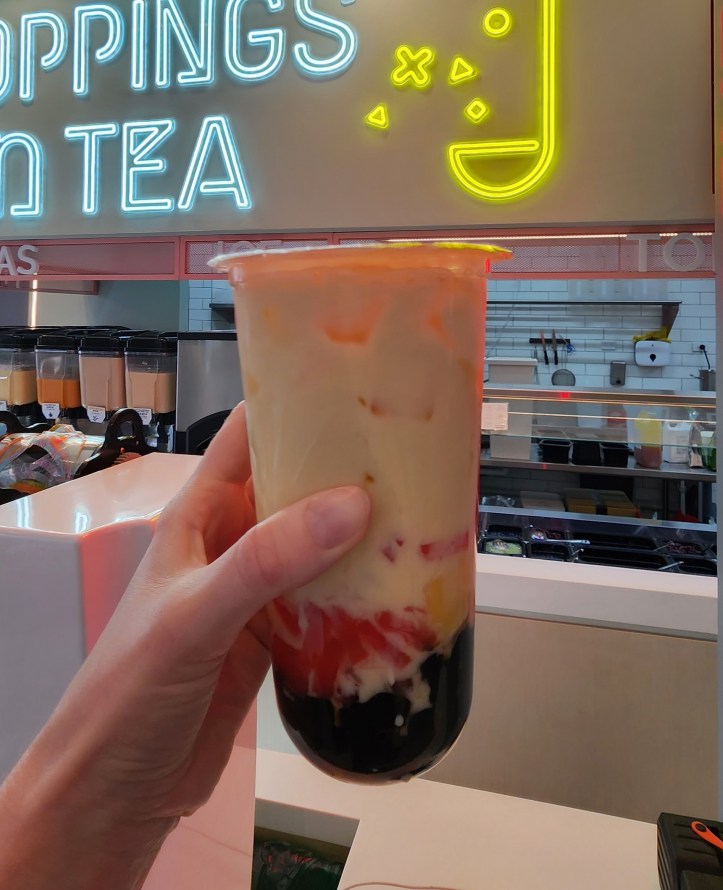
I’m totally one of those people who motivates myself through tough weeks with ‘little treats’. A nice coffee, a tasty pastry to go with it – just little things that simply and achievably improve my quality of life that little bit. But as much as I enjoy indulging myself, I get a far more lasting feeling of wellbeing from doing something like that for someone else. If you’re into ‘love languages’ (which I can’t say I am), you’d probably diagnose my love language as gift-giving. I just love the feeling of choosing something that really speaks to someone’s tastes, or lets them know I’m thinking about them when they’re having a tough time. This doesn’t have to just be literal physical gifts of course – just taking the time to let people know you care about them, particularly when they’re not expecting it, can be really powerful. Birthday and Christmas presents are great, but if someone’s having a rubbish week and you send them cookies – that is a real treat.
30) Try to be the person people can come to
This one can be slightly tricky, but I think the principle is a sound one. When people are feeling down, facing problems, or just want to get another opinion on something, it feels really special when you’re the person they feel they can come to. Sometimes it’s easy to feel that you haven’t got anyone to talk to about problems, or you’ll face judgement when you do. If you can be the person someone knows they can come to and they won’t face judgement, you won’t simply try to ‘fix’ them, and you’ll give them the space they need to feel their way through things, it is a real privilege. There honestly aren’t likely to be that many people in any of our lives who we feel this way about, so it’s a pretty amazing thing to do for someone. As with so many of these lessons, it’s about how you interact with people and make them feel, and treating others in a way that you’d appreciate being treated yourself.
31) You don’t have to be in a rush
I could mean this in the broader sense, as in ‘it’s ok if things don’t happen all as soon as you want them to’. But really I mean this quite literally – you don’t have to be in rush all the time! I don’t know why, but I often find myself buzzing through life as if I’m about to be late for something, even though in fact I’m always early! I don’t know how I’ve got into this way of thinking – way of living really – but I’m trying to train myself back out of it. It’s ok to take time over things or to realise I don’t actually need to be a hurry all the time. It’s ok to stroll, to not walk as fast as I possibly can all the time, or to take the long route somewhere because it’s more enjoyable. I don’t need to take as little time as possible to dry my hair, I don’t need to cook the quickest meal. Acting as if I do adds a low but constant level of stress to my life which I just don’t need. If I catch myself getting into this mindset, I try to consciously and actively slow down, and remind myself that I’m master of my own time. This has the added bonus that when I actually do need to hurry it has greater impact!
32) Be as kind to yourself as you are to others
This final one is another cliche, but it’s one I find myself coming back to again and again. I realise increasingly that I never hold other people to the standards I do myself. I’m so much harsher on myself than I am on anyone else in my life, offering less forgiveness, holding myself to higher and less achievable standards, and generally treating myself in a way I would never dream of treating others. ‘Treat others as you would want to be treated’ is certainly something I live by, but I don’t always make the effort to do it the other way round. Increasingly I try to be a friend to myself, and offer myself the comfort and kindness that I would to someone outside my own body. It’s not always an easy thing to do and I still frequently fall short, but just stopping and thinking ‘would I ever say this to X?’ is a good way of checking whether I’m getting stuck in negative self-talk, or actually being productive, kind and constructive with myself.
This has ended up being a really long post which has taken me literally weeks to write. I’ve found it really interesting to reflect back on what I think is important to me, what I want to focus my energies on, and how I want to navigate the world around me. Much as this has been a retrospective, I think it also acts as a bit of a guide to how I want to be going forward, and the mindset I want to carry into the rest of my thirties. I hope you’ve found this interesting to! I’d love to hear what lessons you carry with you, and how you feel about the things I’ve shared. Please do share in a comment, and thanks very much for reading.
 The Feminist Gadabout
[…] bit before, such as in my 30 before 30 conclusion post (read here), and life lessons post (read here) about how important I think it is to be able to do things just for fun. It’s really easy in […]
LikeLike